
Blog: Manitoba’s Jesse James





Manitoba’s Jesse James
By Emily Speight
Translated to French by Ryan Finlayson, Translated to Michif French by Serge Carrière
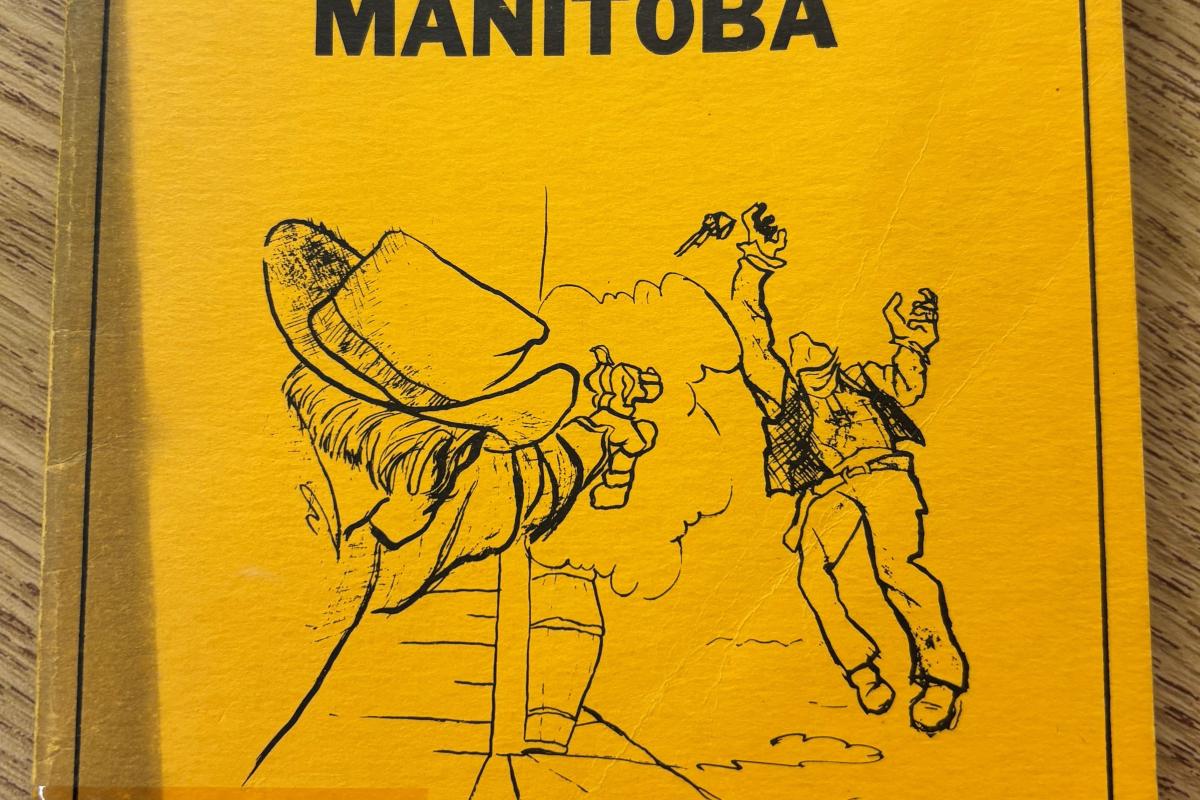
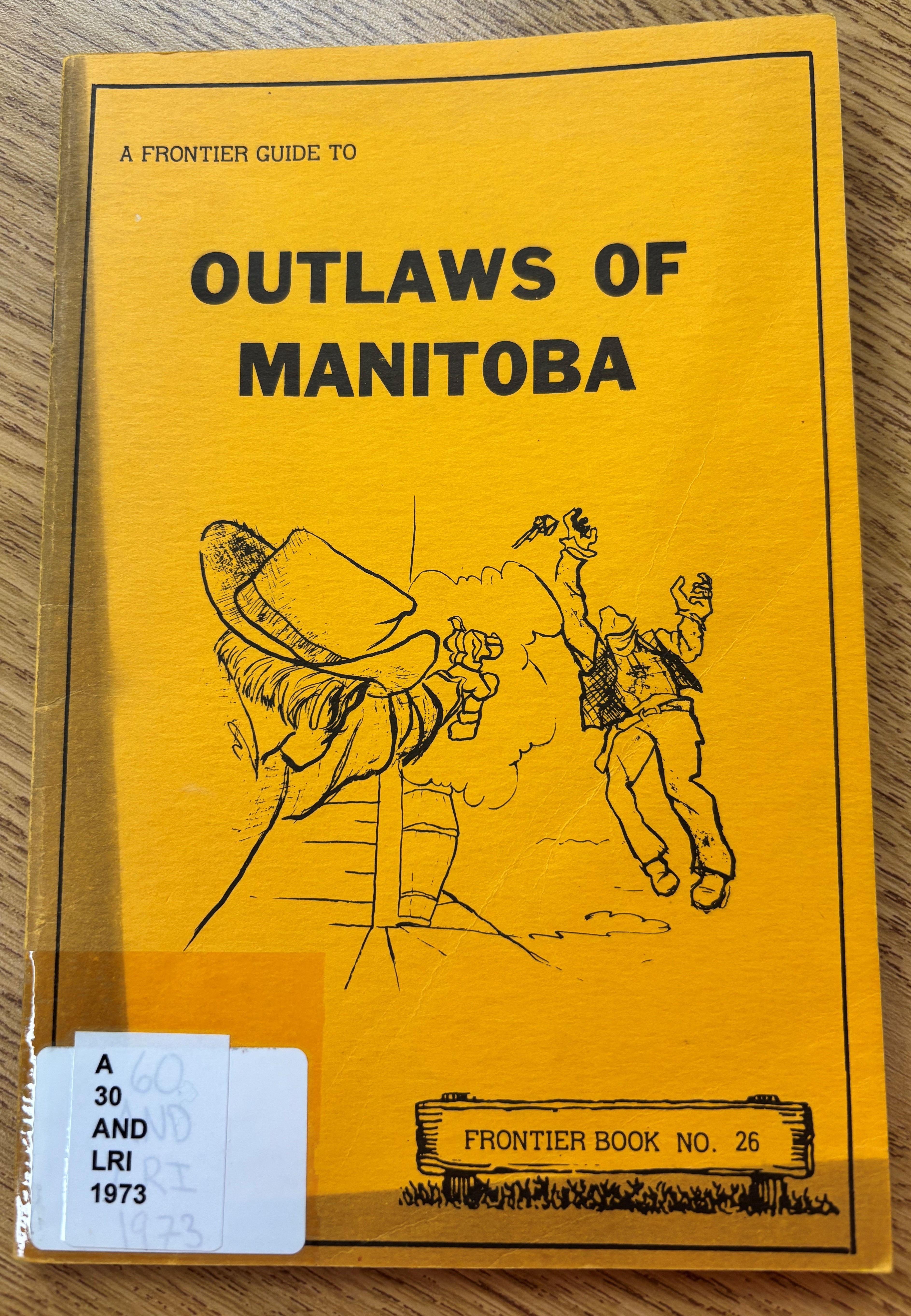
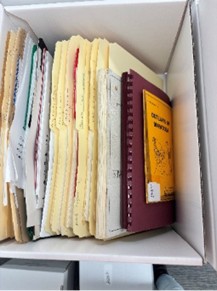
While transferring archival materials to freshly folded, acid-free archival boxes, a small, bright turmeric-yellow book caught my eye. The book was titled A Frontier Guide to Outlaws of Manitoba. Written by Frank W. Anderson in 1971, the book features tales of b’hoys (ruffians) and bunko artists (conmen), the first criminals in our province. Immediately becoming distracted, I flipped through the pages of the small, hand-sized book.
Pandaan ki zhi trawnsfayrè li matayrioo di zarcheev a di noovel bwet d’archeev acid-free, aen tchi leev zhon turmeric l’a attrapi mon ey. Li leev s’applè A Frontier Guide to Outlaws of Manitoba. Icri par Frank W. Anderson aen 1971, li leev rakont li zistouayr di b’hoys (chi ruff) pi di bunko artists ( di zeskroo), li primyi criminel daan not provayns. Toud’swit, djistrè, zha komansi aa toorni li pazh dju tchi leev.
Alors que je transférais les documents d’archives dans de nouvelles boîtes sans acide, un petit livre jaune m’a distrait. Le livre est intitulé A Frontier Guide to Outlaws of Manitoba. Écrit par Frank Anderson en 1971, l’ouvrage relate les récits des B’hoys et des bunko artists, les tout premiers délinquants criminels de notre province. Intrigué par le contenu du livre, je l’ai parcouru rapidement.
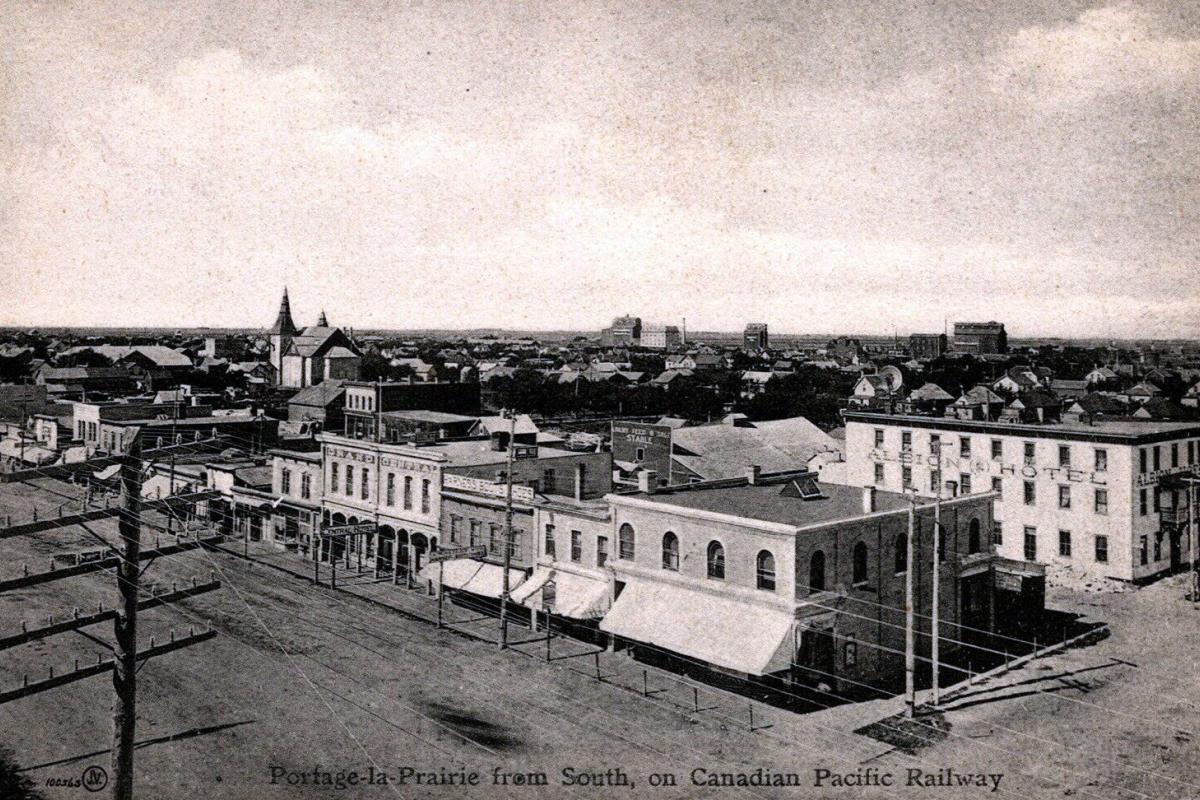
The third chapter, titled “Visiting Outlaws”, recounts the story of men who came to be known as “Manitoba’s own Jesse James”, not to be confused with the Western desperado from whom their namesake is attributed. One such tale, however, proves that even hardened criminals are no match for a Manitoba farmer with somewhere to be.
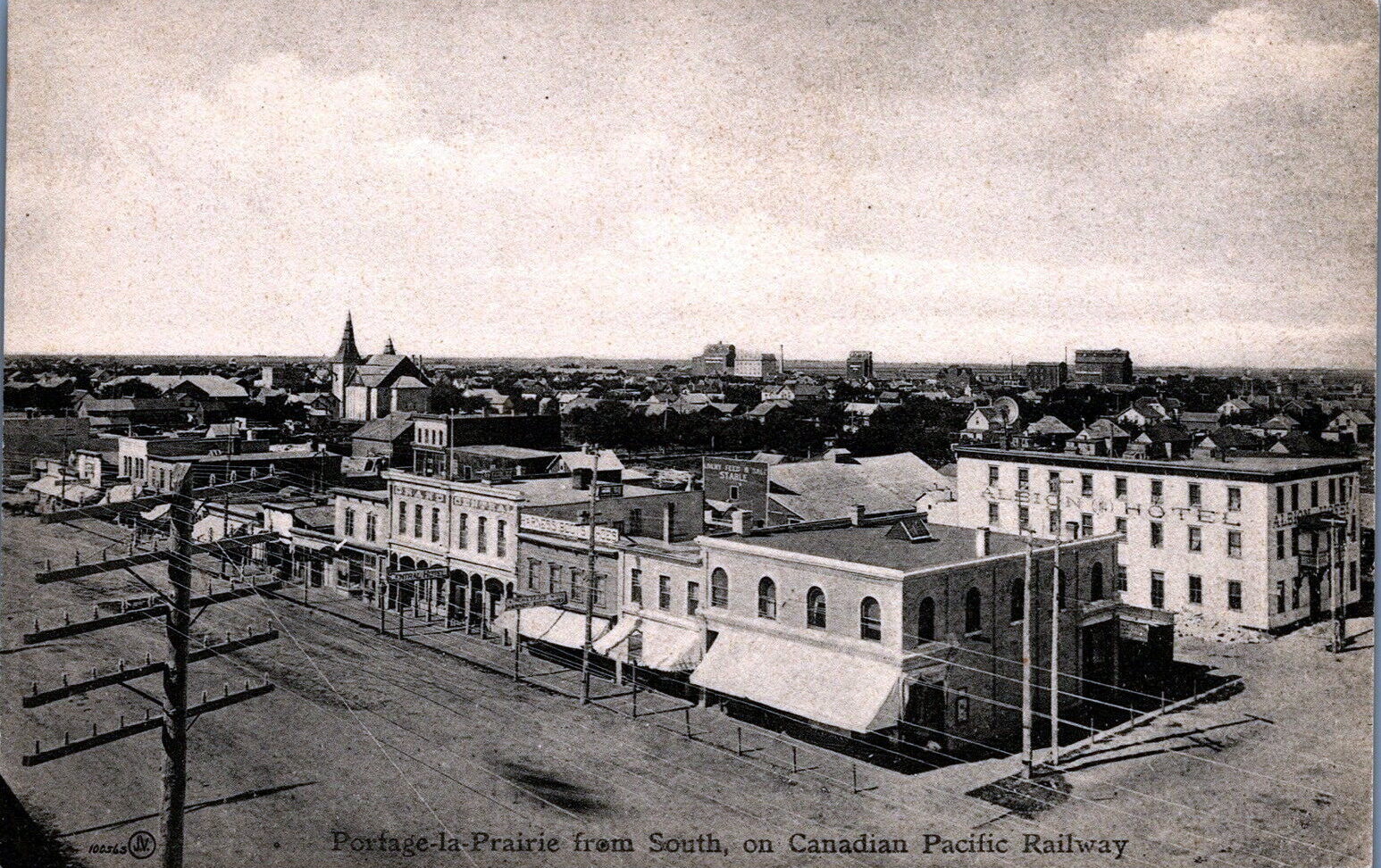
The young man called himself Jesse James and he strode down the single main street of Portage la Prairie with his spurs glinting in the sunlight and two pearl-handed Colts dangling from a gunbelt (p21).
Li trwazyem chapit, ki s’appel “Visiting Outlaws”, rakont l’istouair d’aen om k’on a appli “li Jesse James dju Manitoba”, pa l’mem desperado di l’wess di ki ila pri son nom. Aen di zistouayr, par ixamp, mont ki mem di vilaen criminel isson paw aen match poor aen farmyi manitobaen ki l’aw bizwayn d’ayt kikpar.
Li zhen omm s’appla Jesse James ipi iss promnay li lon di la sel ru de Portage la Prairie avek si zepron ki briyay oo solay pi deu Colts avec di maansh en perl ki panday di sa sayntchur (p21).
Le troisième chapitre, intitulé « Visiting Outlaws », raconte l’histoire de l’homme qui sera connu sous le nom de « Jesse James du Manitoba », à ne pas confondre avec le desperado du Far West, d’où le nom est dérivé. Une des histoires, quand même, est prévue que même un criminel endurci ne fond pas le poids face à un fermier manitobain avec quelque chose a faire.
Le jeune homme se faisait appeler Jesse James, et il marche sur la route principale de Portage La Pairie avec ses éperons éclairer par le soleil et deux Colts avec des poignées de perles dans sa ceinture (p.21)
Locals were amused by the antics of the man; Jesse James was a household name, and his presence brought a bit of excitement to the small town. After a week, and several eye-ball showdowns between the stranger and townsfolk, rumour spread that Portage was being honoured with the presence of the man himself, not some faux-James. The locals became weary of his presence, and when passing him on the wooden paths that lined the main street, they stepped aside, not daring to encounter the man face-to-face. ‘Jesse James’ was emboldened by their actions. He began ordering those who crossed his path off the sidewalk as he graced it with his strides.
Inevitably, he picked on the wrong man; at the wrong time; in the wrong place. A Portage district farmer, in town for the day with more important things on his mind than kow-towing to a gunslinger (p21).
Li moond di la plaas l’troovay drol, li gaw, pi sa prisawns apportay aen pu d’ixitimaan o tchi vilazh. Apray aen smayn, pi plizyur showdowns di zyu ant l’itranzhi pi li moond di la plaas, di rumur si ripawnday ki s’itè li vrai villayn à Portage paw zhus aen faux-James. Li moond sa kommansay aouayr peur di lwi, pi kan sa l’pawsay sur li trotyair en bwa li lon di ru, sa marshay aa kooti, pars sa l’avay peur di largardi fass aa fass. Jesse James li divnu plus braav aa coos siki l’on fet. Ila komaasi aa djir aa suz law divan lwi di s’anlvi dju sidewalk pandan ki l’itè dissu.
Finalemaen, ila ashaali li movayz omm; oo movay taen; aa la movayz plaas. Aen farmyi dju kwaen di Portage, oo vilazh poor la zhorni aek di chooz plus importawnt aen tayt ki d’attrapi aen bandji (p21).
Les habitants ont été amusés par ses pitreries; le nom Jesse James a été connu par tous, et sa présence à porter un peu d’animation a la petite ville. Après une semaine, et plusieurs eye-ball showdowns entre l’étranger et les habitants,une rumeur s’est répandue selon laquelle l’homme en question avait effectivement visité la ville, et non un imposteur. Les habitants ont été nerveux à cause de son présence, et loursqu’ils croisaient les trottoirs du bois sur la route principale, ils s’écartaient, au lieu d’être face à face avec l’homme. “Jesse James” a été encouragé par ces actions, et a commencé à force ceux et celles qu’il rencontre à libérer le trottoir.
Inévitablement, il s’en est pris au mauvais homme, au mauvais temps, aux mauvaises places. Un fermier de la région, visitant la ville pour la journée, a des préoccupations plus importantes que de témoigner le plus grand respect à ce pistolero (p.21).
The two started down the sidewalk heading in opposite directions, the farmer to the local market and Mr. James to the saloon. They met mid-way, James tapped the handles of his pistols, motioning for the farmer to step aside. The farmer paused, lost in thought, before he grabbed the young man in front of him.
and deposited him in the dust. Without a backward glance, he stalked on and disappeared into the general store (p22).
Li deu sa l’on komassi marshi su l’sidewalk daan djiférant djireksion, li farmyi s’aen allay oo marshi local pi Mr. James aa l’ootel. Isson rankontri aa motchi chmin, James ila tapi li maansh di si pistolay, poor djir oo farmyi di s’aenlivi dju chmin. Li farmyi ila arrayti poor zhongli, avant di pogni li zhen omm divan lwi pi dipozi daan la poosyair.
Saan argardi aen arryair, il a kontchinwi son chmin pi li djisparu daan l’magazaen (p22).
Tous les deux, ils parcourent le trottoir en sens inverse : le fermier se rend au marché local et M. James au saloon. Tous les deux ont s’aborder le même point. M. James a saisi la poignée de son revolver, prêt à faire usage de la violence pour que le paysan cède le passage. Le paysan, profondément pensif, s’arrête net juste avant de saisir le jeune homme. Tous les deux, ils parcourent le trottoir en sens inverse : le fermier se rend au marché local et M. James au saloon.
Tous les deux ont s’aborder le même point. M. James a saisi la poignée de son revolver, prêt à faire usage de la violence pour que le paysan cède le passage. Le paysan, profondément pensif, s’arrête net juste avant de saisir le jeune homme.et lui deposer dans la poussiere. Sans lui tourne son tete, le fermier se continue et disparu dans un magasin (p.22).
Jesse James picked himself up and slinked off to the stable. The cloud of dust left from his horses’ path was the end of ‘Jesse James’ stay in Portage la Prairie.
Jesse James isi livi pi si randju aa l’itabl. Li nuazh di poosyair daryair si chivo s’itè la faen dju sizhoor de ‘Jesse James’ aa Portage la Prairie
Jesse James s’est levé et s’est éclipsé furtivement vers l’écurie. Le nuage de poussière qui suivre son cheval indique la fin du séjour de Jesse James en Portage la Prairie.
Frank W. Anderson:
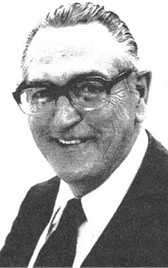
As captivating as the stories of outlaws are, the author himself is just as fascinating a figure. Frank W. Anderson was born in Brandon, Manitoba in 1919. Orphaned at 18 months old, he grew up in and out of foster homes, reform schools, and jails. In the 15 years he spent behind bars, he turned his life towards education. He achieved his high school diploma and became the first prisoner in Canada to take university courses while locked up.
Otaen ki li zistouair di bandji sont intiressaen, l’ooteur lwi maym ili fassinaen. Frank W. Anderson ili ni aa Brandon, Manitoba aen 1919. Ili divnu orphilaen aa 18 mwa pi ila grandji daan di foster homes, diz icol di riform, pi di prizon. Pandaen li 15 awn kila pawsi daryair li barroo, ila toorni sa vi vayr l’idjucation. Ila u son djiploom sigondayr ipi li divnu li premyi prizonyi oo Canada aa swiv di coor d’university aen prizon.
Même si les histoires des hors de-lois sont intéressants, l’auteur lui-même est aussi fascinant. Frank W. Anderson a été née en 1919 a Brandon, Manitoba. Un orphelin a 18 mois, il s’agrandit en plusieurs familles d’accueil, maisons de redressement, et prisons. Dans les 15 ans qu’il a été emprisonné, il se tourne vers l’éducation. Il a obtenu son diplôme d’école secondaire et est devenu le premier prisonnier en Canada à suivre les cours universitaires pendant qu’il est incarcéré.
Married in 1955, Frank and his wife Edna began researching, writing, publishing and distributing books. Under their two publishing companies, they released more than 100 titles, including Riel’s Red River Revolt: The Manitoba Saga (1999), The Riel Rebellion, 1885 (1980), Riel’s Saskatchewan Rebellion (1999), and True Tales of Western Canada (1999). Come and visit the LRI Archives and Special Collections to use some of Frank Anderson’s books.
Maryi aen 1955, Frank pi sa famm Edna sa l’on komassi sharshi, icrir, publyi pi djistribuyi li liiv. Soo leur deu kompagni di publication, sa l’on pulbyi pluss di 100 tchit, incluaen, Riel’s Red River Revolt : The Manitoba Saga (1999), The Riel Rebelion, 1885 (1999), ipi True Tales of Western Canada (1999). Vni viziti li LRI Archives and Special Collections pour lir tchekzaen di liiv di Frank Anderson.
Après son mariage en 1955, Frank et sa femme Edna ont commencé à faire des recherches, à écrire, à publier et à distribuer des livres. Avec leurs deux maisons d’édition, ils ont publié plus de 100 titres, y compris Riel’s Red River Revolt: The Manitoba Saga (1999), The Riel Rebellion, 1885 (1980), Riel’s Saskatchewan Rebellion (1999), et True Tales of Western Canada (1999). Venez visiter les Archives et Collections spéciales de l’institut Louis Riel et découvrir les livres de Frank Anderson.
Sources:
Anderson, Frank W. A Frontier Guide to Outlaws of Manitoba. Vol. 26 of Frontier Book. Calgary, Alberta: Frontier Pub, 1971.
“Anderson Frank.” ABC Bookworld. https://abcbookworld.com/writer/anderson-frank/.
“Frank W. Anderson: A Life in Print.” University of Saskatchewan Library. https://library.usask.ca/uasc/exhibitions/2024/frank-anderson.php.